

Dies


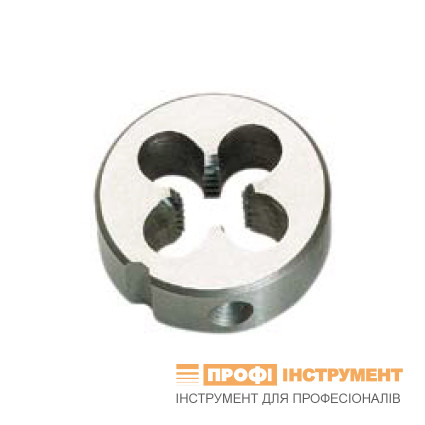
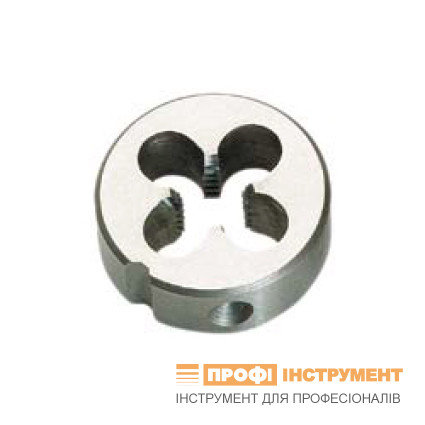
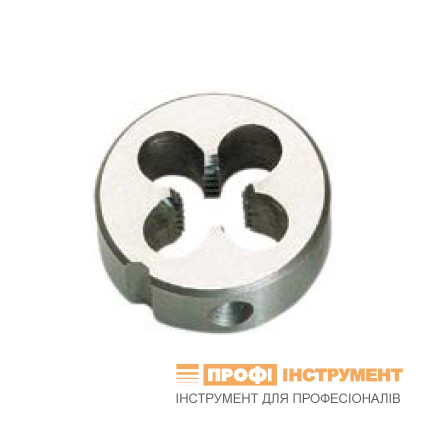

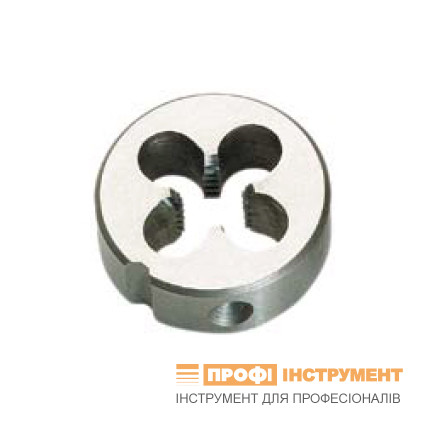
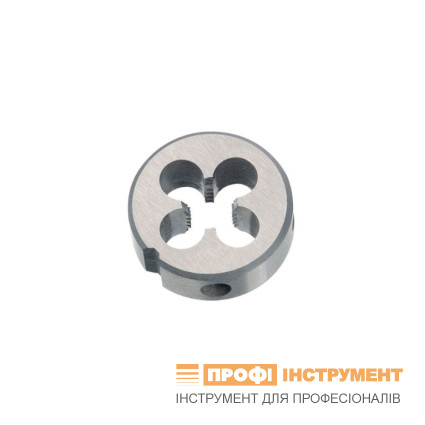
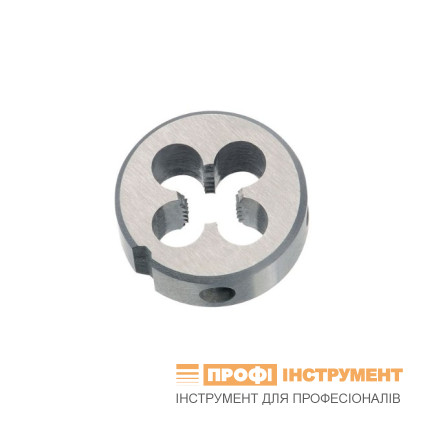
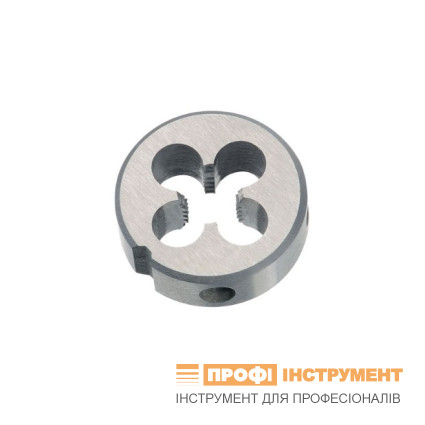
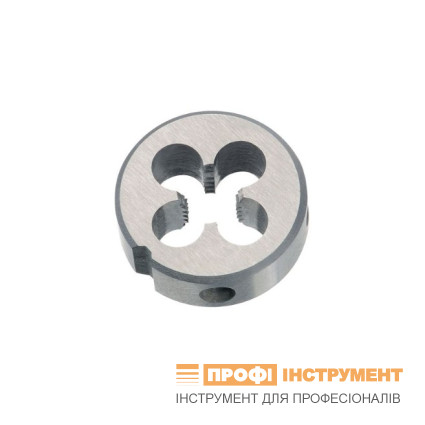
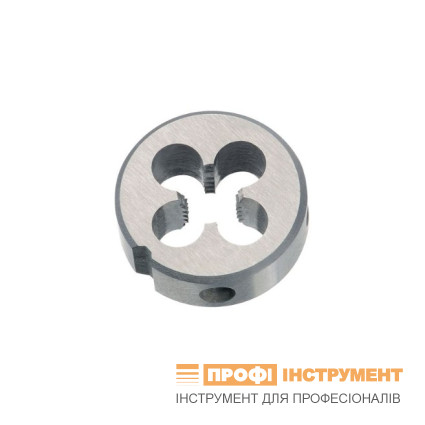
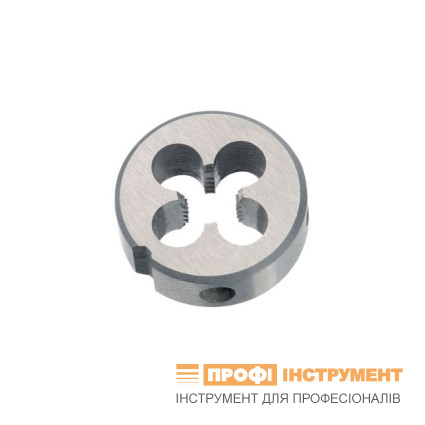
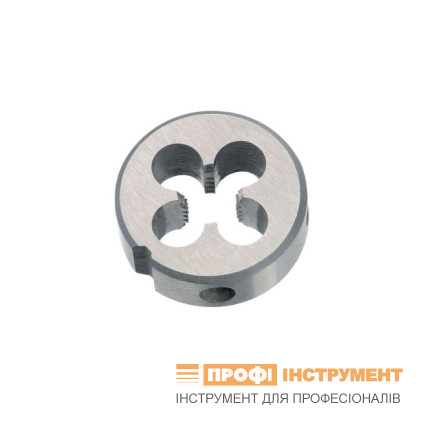
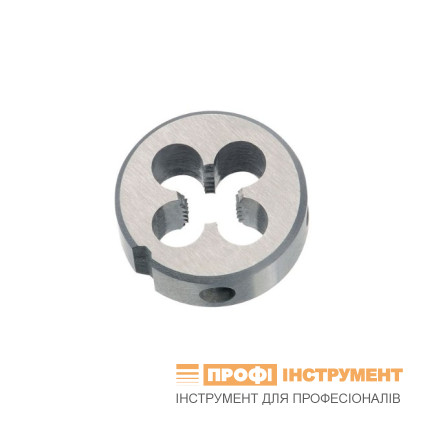
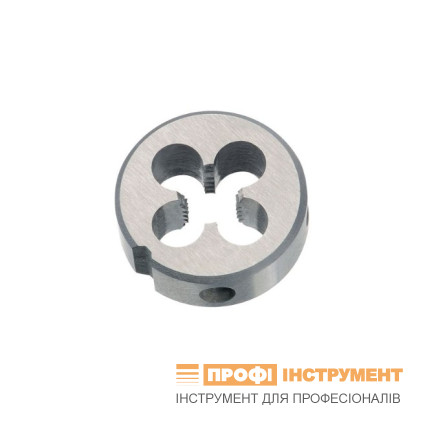
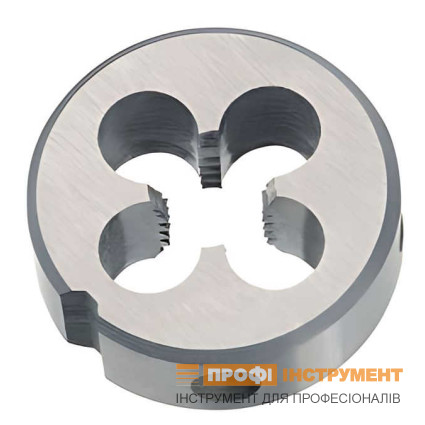
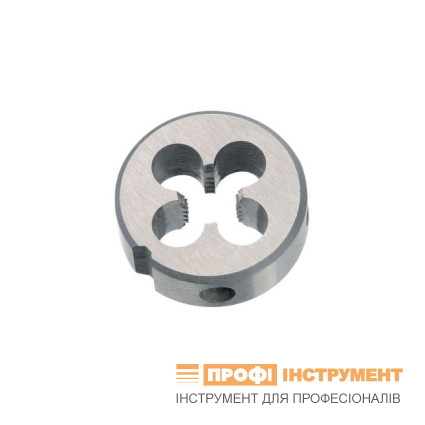
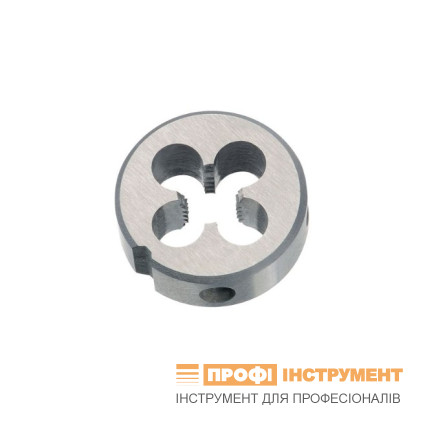
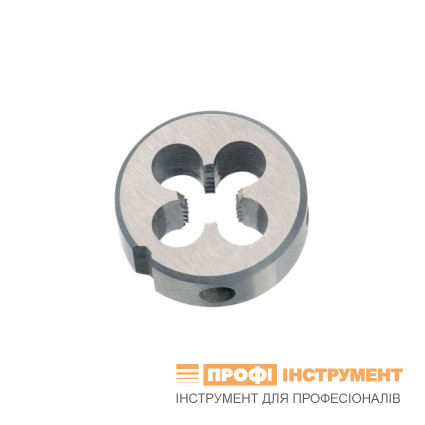
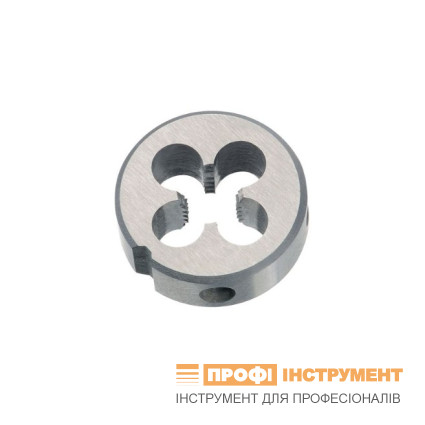
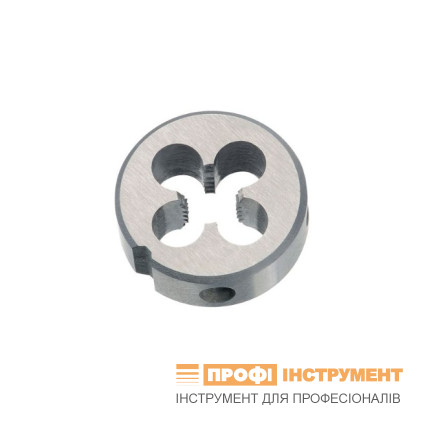

Dies - a professional tool for cutting external threads
PROFI-INSTRUMENT offers to buy dies from leading European manufacturers Völkel and Profitool. For over 10 years we have been providing locksmiths and mechanics with high-quality dies for cutting threads in Kiev with an official guarantee.
What is a die and what is it for?
A die (die) is a cutting tool for cutting external threads on rods, bolts, studs and pipes. A die for cutting threads is used to create threaded connections on cylindrical parts.
Die applications
- Threading on metal rods and bars
- Restoration of damaged external threads on bolts
- Production of studs and threaded rods
- Threading on pipes for plumbing work
- Thread repair on automotive parts
- Locksmithing and mechanical work
- Production of fasteners
- Equipment modernization
Types of dies by design
Round dies (die heads)
- The most common type of dies
- Round shape with internal cutting thread
- Installed in a die holder (die holder)
- Fixed with screws
- For manual threading
Sliding dies (die heads)
- Sliding design of two halves
- Possibility of precise diameter adjustment
- For adjusting the thread size
- For threading on worn rods
- Professional adjustment precision
Hexagonal dies
- Hexagonal external shape
- Installed in wrenches
- Compact dimensions
- For work in hard-to-reach places
Pipe dies
- Specialized for cutting on pipes
- Tapered thread for tightness
- For water and gas pipes
- Dimensions in inches (1/2", 3/4", 1")
Metric thread - the most common standard
Metric thread - the basic standard in Europe, Ukraine and most countries of the world. Denoted by the letter M and diameter in millimeters.
Popular sizes of metric dies
- M3 - M6 - small parts, instrument making, electronics
- M8 - M12 - the most popular sizes, universal use
- M14 - M20 - mechanical engineering, structural elements
- M24+ - large connections, heavy equipment
Characteristics of metric thread
- Designation: M6, M8, M10, M12, etc.
- Thread pitch standard or fine
- Thread profile angle 60°
- Diameter and pitch in millimeters
Application of dies with metric thread
- Manufacturing of bolts and studs
- Repair of damaged threads
- General mechanical engineering
- Automotive engineering and repair
- Assembly operations
Inch thread for specialized tasks
Inch thread is used in plumbing, pipelines and equipment of British and American manufacture.
Main types of inch thread
Pipe thread
- For water and gas pipes
- Designation in inches (1/4", 3/8", 1/2", 3/4", 1")
- Tapered thread for tightness
- Standards G, R, NPT
UNC/UNF (American thread)
- For American-made equipment
- UNC — coarse thread
- UNF — fine thread
- US automotive industry
BSW/BSF (British thread)
- For equipment from the UK
- BSW — coarse Whitworth thread
- BSF — fine British thread
- Old and vintage equipment
Application of dies with inch thread
- Plumbing work
- Pipe installation
- Repair of imported equipment
- American-made cars
Die brands
Völkel (Germany) — the world standard of quality since 1862
- 160+ years of experience in the production of threading tools
- The highest quality of alloyed tool steel HSS-E
- Thread accuracy class 6g according to DIN/ISO
- Special TiN or TiAlN coating
- Ideal geometry of cutting teeth
- Long service life
- Professional the choice of craftsmen worldwide
- German precision and reliability
Profitool - quality dies at an affordable price
- European manufacturing quality
- Reliability for professional use
- Wide range of sizes
- Optimal price-performance ratio
- For daily work in workshops
- Affordable alternative to premium brand
Die sets - convenience and economy
Advantages of die sets
- Wide range of sizes in one case
- Savings of 15-25% compared to separate purchases
- Convenient storage and transportation
- Always the right size at hand
- Ideal for workshops and car services
Standard sets
- Metric sets - M3-M12 or M6-M20
- Inch sets - popular sizes for plumbing
- Universal sets - metric + inch thread
- In plastic or metal case
- With die holder included
Materials and coatings dies
HSS (High Speed Steel) — high-speed steel
- Base material for dies
- Hardness 62-65 HRC
- For steel, cast iron, aluminum
- Universal application
HSS-E (HSS with cobalt)
- Increased cobalt content 5-8%
- Higher wear resistance
- For stainless steels
- For severe cutting conditions
TiN (titanium nitride) coating
- Golden color
- Hardness up to 2400 HV
- Reduced friction
- 3-5 times longer service life
TiAlN (titanium-aluminum nitride) coating
- Purple-gray color
- Hardness up to 3000 HV
- For stainless steels
- Maximum wear resistance
How to properly prepare a rod for a die?
Proper rod preparation is critical for quality threading.
Rod diameter
Rod diameter = Thread diameter - 0.1-0.2 mm
Examples for metric threads
- M6: rod 5.8-5.9 mm
- M8: rod 7.8-7.9 mm
- M10: rod 9.8-9.9 mm
- M12: rod 11.8-11.9 mm
Rod preparation
- Turn or cut to the desired diameter
- Chamfer the end of the rod at an angle of 45°
- Clean the surface of rust and dirt
- Securely secure the part in a vice
Rules for working with a die
Installation in a die holder
- Insert the die into the die holder (die holder)
- Orient with the marking facing outwards
- Tighten the fixing screws evenly
- Check the reliability of the fastening
Threading process threads
- Lubricate the rod and die with special grease
- Install the die strictly perpendicular to the rod axis
- Press and start rotating clockwise
- The first 1-2 revolutions are important for proper gripping
- Rotate with periodic reverse motion to break the chips
- 2-3 revolutions forward, 1 revolution back
- Add grease regularly
Lubricants for different materials
- Steel: mineral oil, sulfofresol, special pastes
- Stainless steel: special grease for stainless steel, paste
- Aluminum: kerosene, alcohol, special greases for non-ferrous metals
- Copper and brass: oil or minimal grease
- Cast iron: no grease or minimal amount
Typical errors when working with a die
The most common errors
- Incorrect rod diameter (too large)
- No chamfer at the end rod
- Die skew at the start of cutting
- Working without lubrication
- Insufficient reverse rotation to break the chips
- Using worn dies
How to avoid problems
- Accurately measure and prepare the rod
- Be sure to remove the chamfer
- Control the perpendicularity in the first revolutions
- Use high-quality lubricant
- Periodically reverse the stroke
- Replace blunt dies in a timely manner
Restoring a damaged thread with a die
When it is possible to restore the thread
- Crushed thread threads
- Minor damage to the first threads
- Contaminated thread
- Partial wear
Restore process
- Clean the thread from dirt and rust
- Select a die of the exact size
- Lubricate the thread and die
- Carefully run the die along the entire length
- Check the quality of the restoration
When restoration is impossible
- Completely torn thread
- Deep gouges and damage
- Heavily worn thread
- In such cases, reworking to a larger size is required
Why should you buy dies at the PROFI-INSTRUMENT store?
- Official distributor of Völkel and Profitool in Ukraine
- The lowest prices for dies in Kyiv
- Völkel is a German standard with a 160-year history
- Die sets - economy and convenience
- Metric and inch threads - the entire range
- Pipe threads - for plumbing work
- Die holders included or separately
- Official manufacturer warranty
- Rod size tables included
- Expert consultation - we will help you choose the size
- Store in Kyiv - you can inspect the quality
- Fast delivery throughout Ukraine
Dies from PROFI-INSTRUMENT are German precision for your metalworking work. Buying a Völkel or Profitool die in our store means providing yourself with a high-quality threading tool with a long service life.
A die for cutting threads on rods, bolts and pipes is a set of dies for professional workshops and car services. You can order the die individually or in a set at a favorable price.
Choose dies in the catalog by thread type and size or contact us to select the optimal set of dies for your tasks.


